Luxury Micro Weddings: How to Plan an Intimate but High-End Event
Plan a luxury micro wedding with a venue checklist, an illustrative $50,000 budget, and thoughtful ideas for an intimate, high-end celebration.
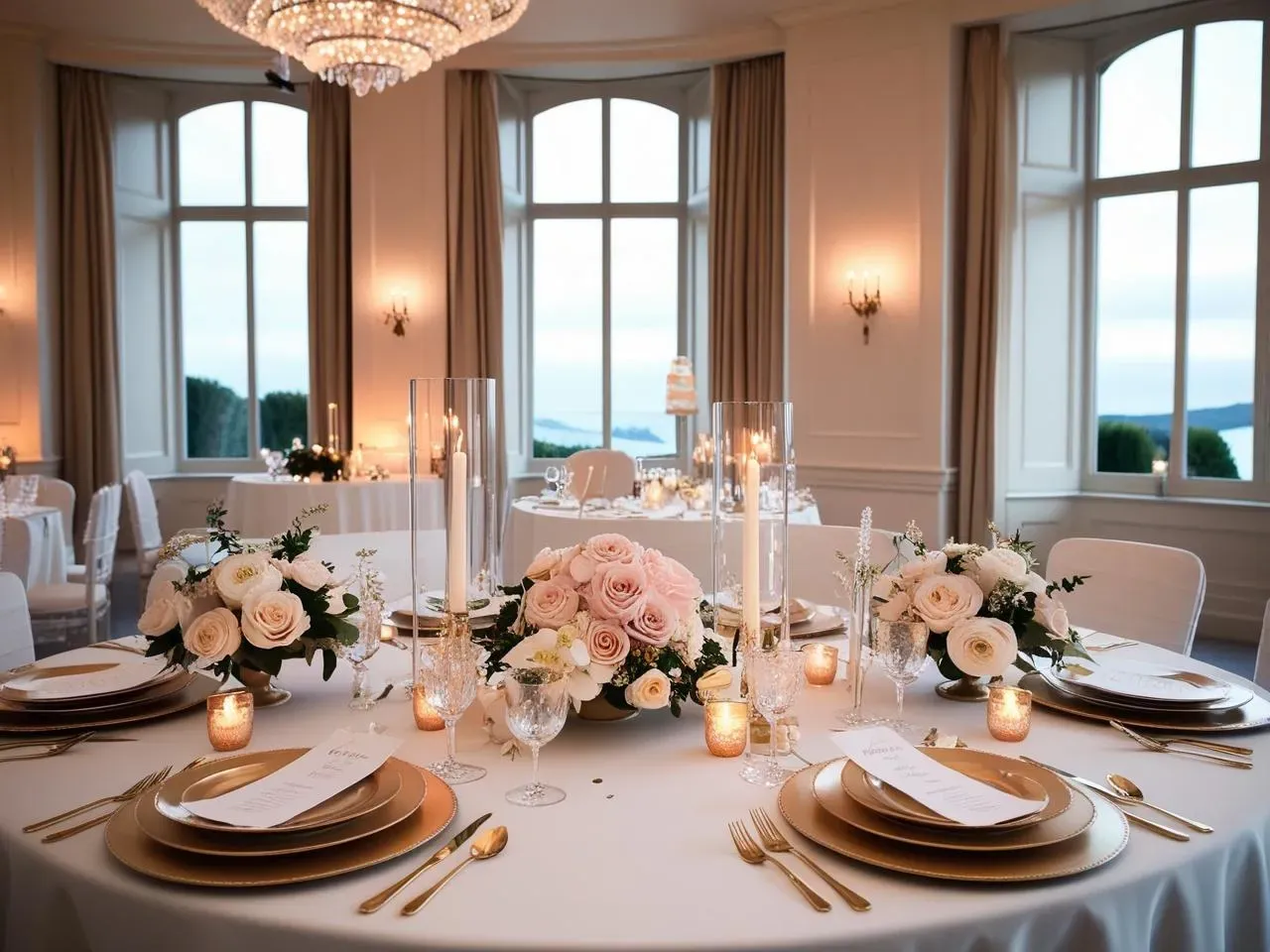
What is a luxury micro wedding?
A luxury micro wedding is a small celebration designed around attentive service, thoughtful details, and time with the people closest to you. This guide uses roughly 20–50 guests as a planning range. Luxury has no required price per guest: a comfortable setting, excellent meal, and well-paced day can matter more than an elaborate floral installation.
A smaller guest list gives you different choices, but it does not automatically make every choice affordable. A private venue, weekend accommodation, or specialist chef can still take a substantial share of your budget. If you are deciding between a reception and a simpler getaway, read our elopement vs. micro wedding comparison.
Key Takeaways
- Start with your total budget and closest relationships; there is no minimum spend that makes a micro wedding luxurious.
- Check venue minimums, event permission, accessibility, and weather backup before booking.
- Separate per-person costs from fixed supplier fees when comparing proposals.
- Prioritize a few meaningful upgrades, such as a tailored menu, comfortable transport, or a beautiful dinner setting.
- The $50,000 USD budget below is an illustrative plan for 30 guests, not a typical price or supplier quote.
Decide what luxury means to you
Start with what you want guests to remember: a long dinner with conversation, a beautiful ceremony, or a weekend spent together. Choose two or three priorities and let those guide your spending.
A couple who loves food might choose a tailored menu and generous dining time, then keep the flowers simple. A couple who values music might book live performers while using the venue’s existing furniture. These are design choices, not guarantees of a lower price.
Consider the cost to your guests, too. Travel, accommodation, and dress requirements can create pressure. Explain what you will cover and allow guests to decline without having to justify their finances or circumstances.
How to plan a luxury micro wedding
1. Set the guest list and budget together
Decide what you can comfortably spend before requesting proposals. Specify whether your total includes attire, rings, travel, accommodation, and additional weekend events. Keep those boundaries consistent when comparing quotes.
Build your guest list using shared rules for partners, children, and family groups. Our wedding guest list etiquette guide can help you communicate those decisions.
Ask suppliers which charges change with headcount and which stay the same. Meals, drinks, and place settings may be priced per person. Venue hire, photography, and entertainment may have fixed fees or minimum bookings. Compare the full cost for your actual guest count rather than a headline price per guest.
2. Check the venue before committing
A private dining room, boutique hotel, estate, or vineyard can provide an intimate setting. Check how the room feels at your proposed headcount: an oversized reception space may need furniture changes or partitions.
Before paying a deposit, get written answers to these questions:
- Event permission: Does the agreement cover your ceremony, reception, and any additional gatherings?
- Minimum charges: Is there a food-and-drink minimum, required room booking, or exclusive-use fee?
- Inclusions: Which furniture, tableware, staffing, cleaning, and setup services are included?
- Weather backup: Can an indoor space comfortably accommodate the ceremony and meal?
- Guest access: What are the step-free routes, bathroom arrangements, parking options, and transport needs?
- Supplier access: When can suppliers unload, set up, and collect equipment?
- Restrictions: What are the rules for music, candles, decorations, and finish times?
For a villa or holiday rental, confirm event permission separately from overnight accommodation. Ask the venue manager or planner to identify any further requirements for your setup. A beautiful property still needs a workable plan for catering, bathrooms, and guest arrivals.
3. Design the meal around your guests
Choose food you both enjoy, then discuss service. A tasting menu can suit a leisurely evening; shared dishes can encourage conversation. Neither format is inherently more luxurious. Timing and attentive service matter as much as presentation.
Collect dietary requirements before the final menu deadline. Ask the caterer how they handle allergies, alternative dishes, and communication with serving staff. Include appealing non-alcoholic drinks and easy access to water.
Request a complete proposal covering food, beverages, staff, equipment, delivery, and cleanup. Confirm which taxes and service charges are included. Evaluate the actual event menu and team rather than relying solely on a chef’s restaurant reputation.
4. Concentrate your design budget
Start with the venue’s existing colors, furniture, and lighting. Spend where guests will spend time: the ceremony setting, dinner table, and evening gathering space. You do not need to decorate every surface.
Ask your florist or designer for alternatives at different prices. You might concentrate flowers on the dining table or reuse ceremony arrangements during the reception. Confirm who moves those pieces and when.
Check comfort alongside appearance. Can guests see one another across the flowers? Is there room for plates and serving dishes? Does the lighting support safe movement? Get venue approval for open flames or suspended installations.
5. Agree supplier responsibilities
Someone needs to manage arrivals, setup, meal timing, and unexpected changes. Decide whether you need full planning, coordination near the date, or a venue team with clearly defined responsibilities.
For each supplier, confirm scope, hours, deliverables, payment dates, and cancellation terms. Ask who will attend and what happens if they become unavailable. For photography, discuss the moments you want covered before choosing coverage hours.
Match entertainment to the space and evening you want. Discuss volume, power, setup area, and finish times with the venue before booking performers. A small guest count does not remove those logistical needs.
6. Make hospitality easy to understand
Give guests an itinerary with addresses, arrival times, dress guidance, and a contact for logistical questions. For a destination celebration, explain accommodation options, transport, and which meals or activities you are hosting.
Prioritize comfort before gifts. Suitable seating, dietary accommodations, clear transport arrangements, and time to rest can matter more than a welcome hamper. Make additional activities optional so guests can enjoy the weekend at their own pace.
Build time to speak with everyone. Our wedding timeline guide can help you plan the sequence; adapt it to your ceremony, meal format, and venue access times.
An illustrative $50,000 luxury micro wedding budget
This is a hypothetical allocation of $50,000 USD for 30 guests at a single-day celebration in the United States. It is a planning exercise created for this guide, not a market average, documented wedding, or supplier quote. Actual proposals will depend on location, date, scope, and venue.
| Category | Example allocation | What to account for |
|---|---|---|
| Venue and rentals | $10,000 | Event space, furniture, tableware, and equipment |
| Catering and drinks | $10,000 | Menu, beverages, serving staff, and catering equipment |
| Planning and coordination | $4,000 | Agreed planning services and day-of management |
| Flowers, decor, and lighting | $5,000 | Design, installation, and removal |
| Photography | $5,000 | Agreed coverage and image delivery |
| Entertainment | $2,000 | Performers or sound services and setup |
| Attire and beauty | $4,000 | Outfits, alterations, and beauty services |
| Stationery and guest transport | $2,000 | Invitations, signage, and agreed transfers |
| Allowance for taxes and service charges | $3,000 | Placeholder to replace with actual quoted charges |
| Contingency | $5,000 | Reserve for unplanned costs |
| Total | $50,000 | Includes a $5,000 contingency reserve |
This example excludes rings, guest accommodation, destination travel, a honeymoon, videography, and additional weekend events. Add them separately if you intend to pay for them. The tax and service-charge allowance is not an estimate of applicable rates: replace it with actual quoted amounts and adjust other allocations as needed. Avoid counting charges twice if they are already included in a supplier’s total.
Dividing this total by 30 gives about $1,667 per guest. That includes fixed fees, personal spending, and reserves, so it is neither a catering price nor a required luxury benchmark.
If proposals exceed your limit, revisit your priorities. Simpler installations, shorter coverage, another date, or fewer hosted events may protect what matters most. See our guide to managing a wedding budget increase for ways to review those tradeoffs.
A suggested planning schedule
Use this sequence as a starting point, then agree actual deadlines with suppliers. Availability and travel requirements may call for more time; a shorter schedule requires flexibility.
| When | Suggested decisions |
|---|---|
| 9–12 months before | Set the budget and guest list; check venue availability, event permission, and weather backup; book priority suppliers. |
| 6–9 months before | Share travel information; agree the meal format, design direction, and accommodation responsibilities. |
| 3–6 months before | Send invitations on a schedule suited to guest travel; organize transport and draft the itinerary. |
| 1–2 months before | Confirm replies, dietary needs, seating, supplier access, and final costs. |
| Final weeks | Meet contractual headcount deadlines, distribute supplier contacts, review the weather plan, and confirm who makes decisions on the day. |
Luxury micro wedding ideas to adapt
These are hypothetical concepts, not reports of real weddings. Use them to develop a brief, then price the complete plan.
- A coastal dinner for 20: A ceremony followed by a long-table meal with a tailored menu. Check shelter, wind exposure, bathrooms, and transport before committing to an outdoor setting.
- A boutique hotel gathering for 30: A ceremony and dinner at one property, with an optional breakfast the next morning. Confirm room commitments and any additional charges for breakfast.
- A city private dining celebration for 40: A short ceremony followed by a restaurant reception. Confirm privacy, music permissions, capacity, and food-and-drink minimums.
Choose the concept that fits your people and priorities. A considered celebration gives guests clear expectations, suppliers a workable plan, and you time to enjoy the day.
Frequently Asked Questions
How many guests should a luxury micro wedding have?
This guide uses roughly 20–50 guests as a planning range, rather than a strict definition. Choose a headcount that fits your relationships, venue capacity, and budget.
How much does a luxury micro wedding cost?
There is no required minimum spend. Costs depend on location, venue minimums, services, and the number of events. The $50,000 USD example here is an illustrative allocation for 30 guests, not a market average or supplier quote.
Does a smaller guest list always make a wedding cheaper?
Fewer guests can reduce per-person food, drink, and rental costs. Venue hire, photography, planning, and entertainment may still have fixed fees or minimum bookings. Compare complete quotes before assuming a saving.
How far ahead should we plan?
Use the suggested 9–12 month schedule below as a starting point. Confirm venue and supplier availability before setting a date, and allow guests time to arrange travel. A shorter schedule requires flexibility.
Can we host a micro wedding at a private villa?
Get written event permission from the owner or manager. Confirm capacity, supplier access, noise restrictions, bathrooms, parking, and weather backup. Booking accommodation alone does not establish permission to host a wedding.

Bridal by Bentley
Wedding Editorial
Bridal by Bentley publishes wedding inspiration and practical planning guides to help couples compare options and prepare for their celebrations.