Wedding Shoes: Fit, Heel Heights, and Venue Choices
Choose wedding shoes for your fit, venue, and dress hem. Compare heel styles, sourced examples, reception changes, and practical checks before buying.
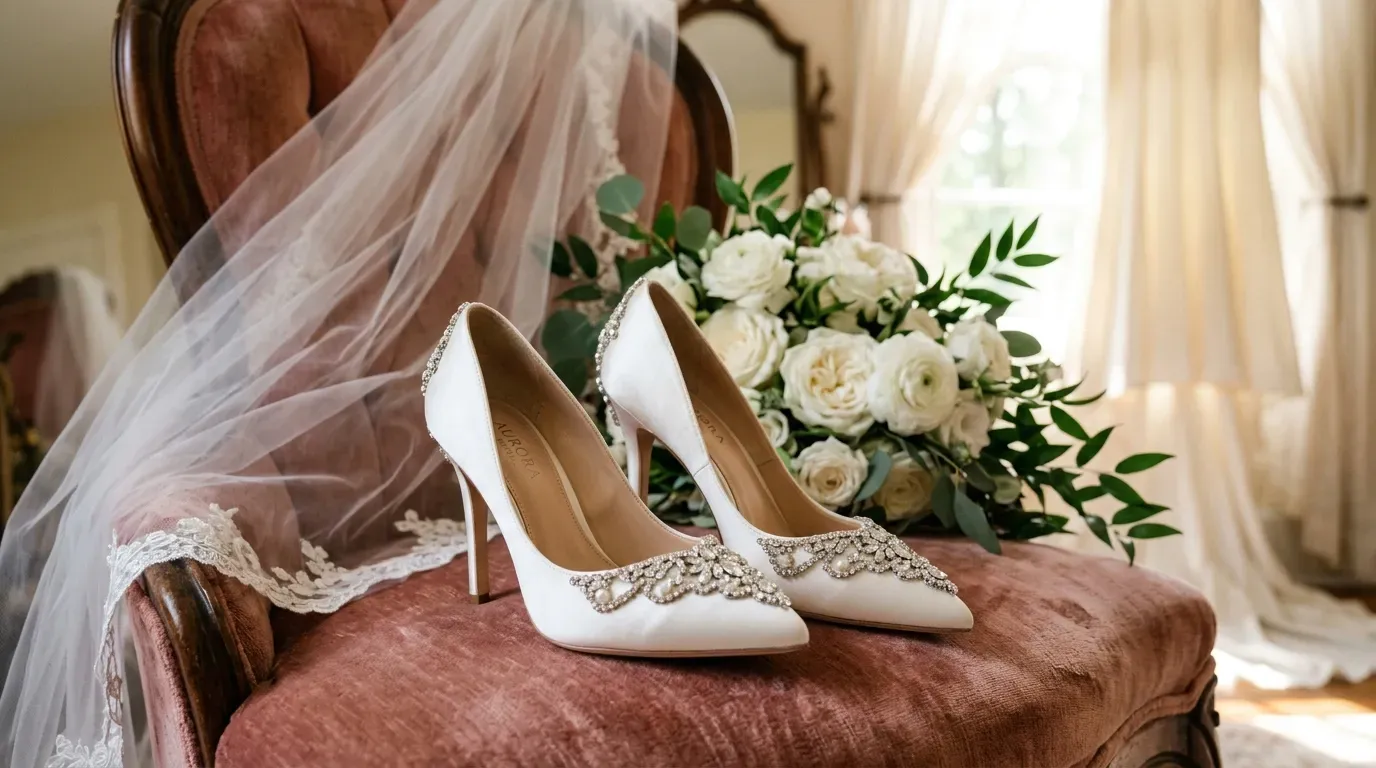
The right wedding shoes suit your feet, your venue, and the dress you will actually wear. A beautiful pair should also let you walk, sit, and enjoy the celebration without constantly adjusting straps or watching your step. This guide explains the fitting decisions and compares manufacturer-listed examples; it does not claim firsthand ten-hour wear testing or guaranteed comfort.
In this guide:
- Start With Fit and the Way You Usually Walk
- Match Your Shoes to the Actual Venue Route
- Coordinate Heel Height With Dress Alterations
- Compare Specific Wedding Shoes
- Plan the Purchase, Practice, and Wedding-Day Handoff
Start With Fit and the Way You Usually Walk
What Are the Most Comfortable Wedding Shoes?
The most comfortable wedding shoes depend on your feet, usual footwear, and plans for the day. Compare the actual fit, toe space, fastening, sole, and heel height rather than relying on a brand or padding claim. Try both shoes and walk in them before deciding; flats do not guarantee pain-free wear.
Choose a Familiar Starting Point
If you rarely wear heels, your wedding does not need to be the occasion for your highest pair. Start with a height and shape you already enjoy, then explore versions that feel special. A flat, sandal, low heel, or dressy sneaker can be bridal without matching a traditional satin-pump image.
There is no heel measurement that works for every wearer. A low heel may still rub, and a cushioned insole cannot compensate for a shape that squeezes your toes. Judge the complete shoe rather than treating heel height as a comfort score.
Try Both Shoes, Including the Fastenings
The American Academy of Orthopaedic Surgeons’ shoe-fit guidance offers a useful basis for assessing fit rather than relying on the number printed inside. Try both shoes and assess length, width, toe space, and how they hold your feet when walking. Do not buy a painfully tight pair expecting it to become suitable later.
Wear the hosiery you intend to use, if any. Fasten straps as you would on the day, and notice slipping, pinching, or pressure while standing and moving. If you already use prescribed footwear or orthoses, ask your treating professional about suitable options rather than replacing their advice with a bridal trend.
Treat Inserts as a Change to the Fit
An insert takes up space and can alter where your foot sits. If you want to use one, assess it with the exact shoe instead of adding it on the wedding morning. A shoe that worked without an insert may become tight with it.
Heel grips, cushioning pads, and blister products solve different problems; none is compulsory above a particular heel height. If a shoe keeps slipping or hurts without several modifications, another size, width, or design may be a better purchase.
Match Your Shoes to the Actual Venue Route
Think Beyond the Ceremony Aisle
Ask about the walk from the car, getting-ready room, ceremony, portrait locations, and reception. Grass may be only one section of a route that also includes gravel, steps, decking, and polished floors. Include the trip back after dark when judging whether a shoe suits the day.
Flats and broad heels are worth exploring for softer ground, but neither guarantees grip or stability. The outsole, fit, surface condition, and weather all matter. Ask whether a firm walkway or alternative portrait spot is available if the planned route becomes unsuitable.
| Setting or Activity | Option to Investigate | Check Before Deciding |
|---|---|---|
| Lawn ceremony | Flat or broader heel, plus a firm route | Ground condition and wet-weather alternative |
| Gravel or uneven paving | A securely fitting shoe you can walk in | Actual route, outsole, and foot movement |
| Indoor reception | Your preferred style within a manageable height | Floor finish, steps, and standing time |
| Beach or sandy approach | Venue-approved footwear and a planned path | Surface depth, temperature, and access |
| Long reception or dancing | A familiar second pair if useful | Fit, storage, and compatibility with the hem |
Let Style Be a Choice, Not a Dress Code
A formal gown does not require stilettos, and an outdoor ceremony does not require a particular brand of flat. Look at the shoe with the dress: perhaps a simple sandal feels right under detailed lace, or a bow adds interest to plain fabric.
Bring embellished shoes close to the hem during a supervised fitting without dragging settings across delicate fabric. Ask for advice if a buckle, ornament, or rough edge appears likely to catch. The accessory should support the look without creating something you need to manage all evening.
Coordinate Heel Height With Dress Alterations
Bring the Actual Pair When the Hem Is Set
Ask your alterations specialist which appointment requires the shoes. The actual pair matters more than a remembered heel measurement, because the sole and platform can affect your standing height too. Bring the planned undergarments and follow the fitting instructions for the dress.
If you change shoes after the hem is set, contact the specialist rather than assuming the difference is negligible. Try standing, walking, and turning in the complete outfit. Use How to Choose a Wedding Dress: Styles, Budget and Fittings to coordinate the shopping and fitting decisions.
Can You Change Into Flats for the Reception?
You can change into flats for the reception, but bring both pairs to your alterations appointment. A dress hemmed for higher heels may drag after the switch. Ask your alterations specialist to assess standing and walking in both pairs, then agree on a practical hem arrangement rather than assuming a bustle solves it.
Pack the second pair where someone can find it, not beneath décor in a car. Decide where you can sit to change and what happens to the first pair afterward. A similar wearing height may simplify the transition, but the complete dress still needs assessment.
Compare Specific Wedding Shoes
Two Manufacturer-Listed Examples
These examples show different heel profiles rather than a ranked shortlist. Manufacturer details were checked on October 20, 2026. The features below describe the products, not proof that either will suit your feet or last comfortably through a full celebration.
| Specific Shoe | Published Features | Your Decision to Make |
|---|---|---|
| Bella Belle Thalia | Marketed as a wedding flat with floral embroidery, an ankle strap, and a listed one-inch heel | Fit at the toe and strap, actual wearing height, and suitability for your route |
| Loeffler Randall Camellia Pearl Pleated Bow Heel | 3.5-inch heel, adjustable ankle strap, padded footbed, and vegan materials | Width, strap position, movement, and how the height works with your dress |
For Camellia, “Pearl” refers to the selected fabric/color description, not proof of pearl embellishments. Its manufacturer notes a slightly narrow fit and provides style-specific sizing advice. Use that guidance as a starting point for trying the shoe rather than applying it to every model in the brand.
Compare the Complete Purchase
The Camellia listing displayed $395 at the source check; recheck the selected size, finish, and checkout total before buying. Current availability, taxes, delivery, and sale conditions can change your comparison. A higher price is not a promise of a better fit.
You can also choose a non-bridal shoe or a pair you already own. If your goal is a coordinated accessory budget, Budget Wedding Earrings: Styles, Materials, and Comfortable Fit can help you decide where spending matters most to you.
Plan the Purchase, Practice, and Wedding-Day Handoff
How Do You Check Wedding Shoe Fit?
- Read the retailer’s try-on and return conditions.
- Try both shoes with your planned hosiery and any insert.
- Fasten straps and assess toe space, width, and heel movement.
- Walk on a clean, suitable indoor surface within the return rules.
- Try the shoes with your dress at the hem-setting appointment.
- Stop if they hurt, and compare another size, width, or style.
Leave Room for Another Choice
Work backward from the hem-setting appointment using the seller’s delivery and production estimates. Check size availability and item-specific return conditions before paying, especially for custom, altered, or final-sale shoes. Buying new does not guarantee you can return a worn pair.
Ask which indoor try-on conditions preserve eligibility. Walk on a clean suitable surface, assess both feet, and stop if something hurts. Follow the retailer’s guidance before using adhesive grips, altering straps, or wearing the shoes outdoors. Practice can reveal a problem; it is not a reason to tolerate pain.
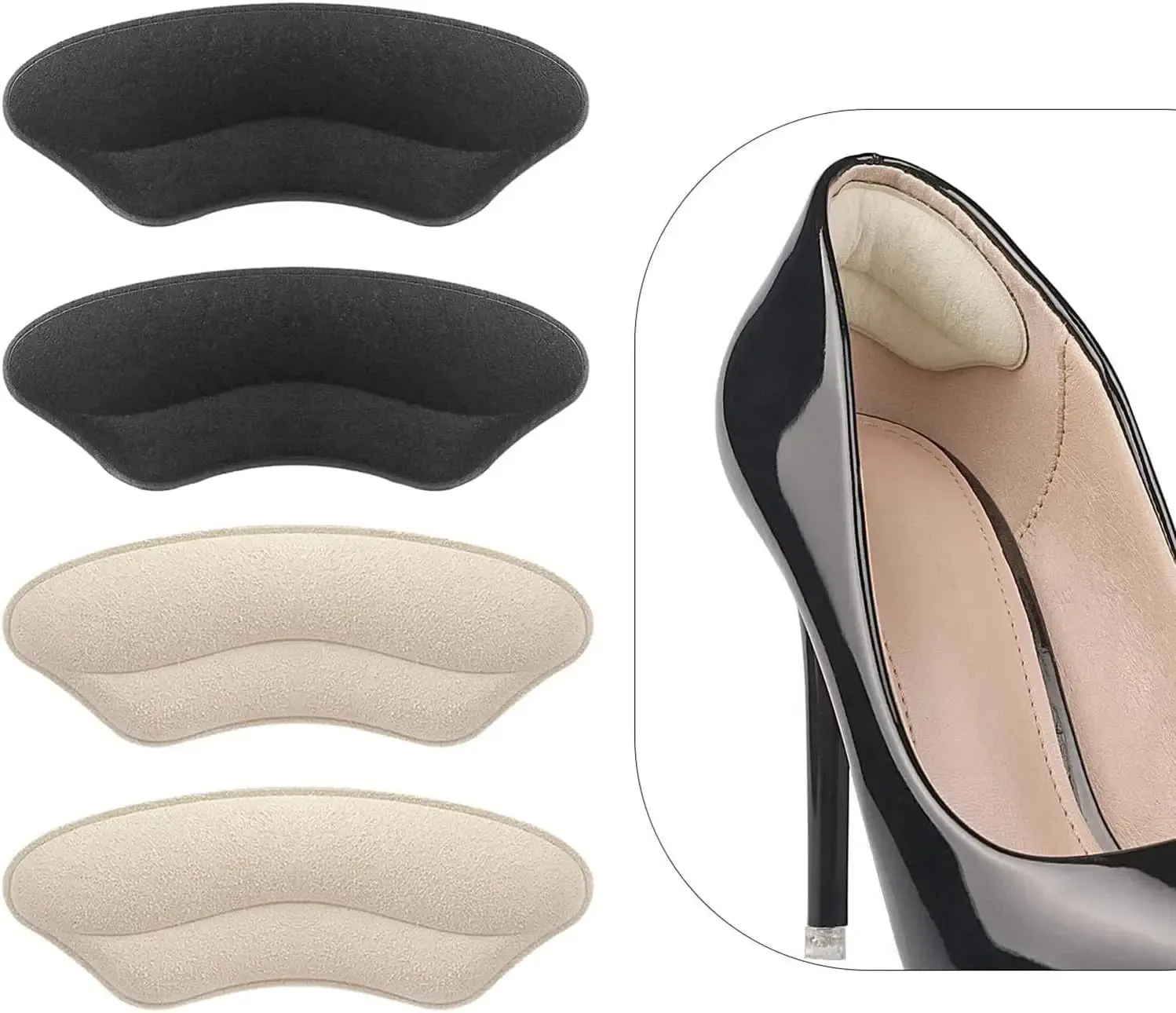
Gel Heel Cushions
An optional accessory to compare if you are considering a fit adjustment. Check the product instructions and reassess your shoes with the insert in place; it can change the available space and does not guarantee comfort or prevent slipping.
Keep the Day Simple
Share any route concerns with the coordinator before the wedding. Agree on a sensible place for shoe changes, and make sure a helper can retrieve the backup pair if you bring one. How to Build a Wedding Day Timeline: Sample Schedule & Tips can help you fit changes around portraits and reception plans.
Follow the manufacturer’s material-specific cleaning and storage instructions afterward. Satin, embroidery, leather, and decorative finishes may need different care. Keep the original box or suitable protective storage so ornaments and straps are not crushed on the journey home.
Choose the pair you like seeing with your outfit and feel comfortable walking in. Once the fit, hem, and route work together, you can focus on the celebration rather than on your shoes.
Frequently Asked Questions
What are the most comfortable wedding shoes?
The most comfortable choice depends on your feet, usual footwear, and wedding plans. Compare the actual fit, toe space, fastening, sole, and heel height rather than relying on a brand or padding claim. Try both shoes and walk in them before deciding; flats and low heels do not guarantee pain-free wear.
What wedding shoes work on grass?
Flats or broader heels are options to investigate, but no style guarantees stable footing on every lawn. Ask about the actual route and wet-weather backup, and assess the surface with suitable footwear. A firm aisle or alternative route may matter more than the heel shape alone.
Can I change into flats for the reception?
Yes, but bring both pairs to your alterations appointment. A dress hemmed for higher heels may drag when you switch to flats. Ask your alterations specialist to assess the difference while you stand and walk, and plan the change around a hem arrangement that works with both pairs.
Should I size up in wedding shoes?
Do not automatically size up across a brand. Read the guidance for the exact style and compare both length and width. Try both shoes with your planned hosiery and any insert, and ask about alternative widths or styles if one size slips while another feels tight.
When should I buy wedding shoes?
Have the chosen shoes available for the appointment where your hem is set. Work backward using delivery, production, and return deadlines, leaving time to try another pair if necessary. Ask the retailer which indoor fitting conditions preserve return eligibility before wearing or modifying the shoes.

Bridal by Bentley
Wedding Editorial
Bridal by Bentley publishes wedding inspiration and practical planning guides to help couples compare options and prepare for their celebrations.