How to Plan an Intimate Micro Wedding: Step by Step Guide
Plan a memorable micro wedding with 20 to 50 guests using our realistic cost breakdowns, venue strategies, and step-by-step checklist.
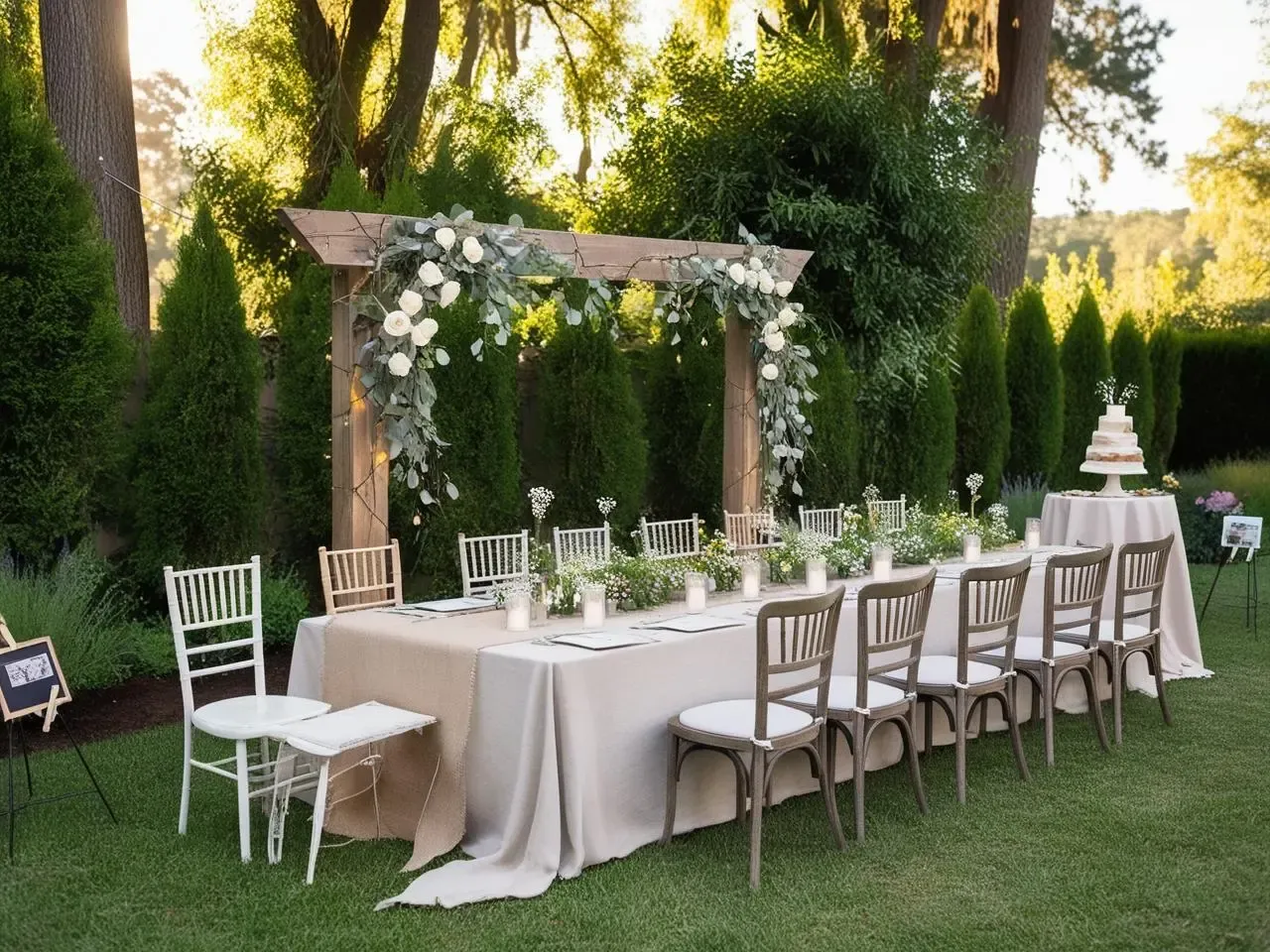
A micro wedding caps your guest list at 50 people. The smaller scale lets you spend time with every attendee while keeping costs at a fraction of a traditional ballroom reception.
Key Takeaways
- Guest Count Focus: Keep your guest list between 20 and 50 people to create an intimate atmosphere where you spend quality time with everyone.
- Budget Flexibility: Spending less on high headcounts allows you to invest in luxury details like fine dining, live musicians, or upgraded florals.
- Alternative Venues: Book non-traditional spaces like private estates, boutique restaurants, art galleries, or national parks that don't accommodate massive weddings.
- Personalized Touches: Incorporate handwritten notes, custom favor bags, or interactive dining courses tailored to your specific guests.
- Smooth Coordination: Hire a day-of coordinator so you and your closest family members can celebrate without running wedding-day errands.
Couples choose micro weddings for three practical reasons: direct control over expenses, freedom to book unusual venues, and relief from coordinating a 150-person event. Follow these steps to plan yours with minimal friction.
What is a Micro Wedding?
A micro wedding hosts between 20 and 50 guests. An elopement includes just the couple and a witness, while a traditional reception averages 130 to 150 attendees. A micro wedding delivers the ceremony traditions of a wedding alongside the relaxed atmosphere of a private dinner party. If you are weighing both options, read our guide on elopement vs. micro wedding to compare costs and logistics.
Why Choose a Micro Wedding?
- Lower Baseline Costs: Trimming 80 to 100 guests cuts food, alcohol, and rental line items by thousands of dollars.
- Better Guest Interaction: You spend actual time talking with every guest instead of moving through a rushed receiving line.
- Simpler Logistics: Smaller groups simplify transport, seating charts, and dietary coordination.
- Less Waste: Shorter guest counts reduce leftover food, single-use stationery, and floral discard.
Pro Tip: Micro weddings suit couples who prioritize great dining and conversation over a crowded dance floor.
Step 1: Set Your Budget
Decide your spending limit before contacting venues. Micro weddings lower total expenses, but you must still establish category guardrails. For percentage frameworks and cost formulas, check our guide on how to plan a dream wedding on a budget.
Key Budget Categories for a Micro Wedding
- Venue: 30% to 40% of your budget
- Catering & Bar: 20% to 30% (family-style tasting menus, private chefs, or food stations)
- Photography & Videography: 10% to 15%
- Décor & Flowers: 5% to 10%
- Attire & Beauty: 5% to 10%
- Stationery & Miscellaneous: 5% to 10%
With a compact guest count, you can reallocate savings toward higher-grade dining or custom photography without increasing your total budget.
Micro Wedding vs. Traditional Wedding Costs
To give you a clearer picture, here is a side-by-side comparison of average costs for micro weddings versus traditional weddings:
| Category | Micro Wedding (30 Guests) | Traditional Wedding (130 Guests) | Primary Cost-Saving Lever |
|---|---|---|---|
| Venue Rental | $1,000 – $4,000 | $8,000 – $18,000 | Boutique inns, gardens, or private estates |
| Catering & Bar | $1,500 – $3,500 | $10,000 – $22,000 | 70+ fewer plates and customizable bar packages |
| Photography | $1,200 – $2,500 | $3,500 – $6,000 | 4–6 hours partial coverage vs. full-day package |
| Florals & Décor | $600 – $1,800 | $3,000 – $7,000 | Fewer guest tables require fewer centerpieces |
| Attire & Rings | $800 – $2,200 | $2,000 – $4,500 | Sample gowns and tailored menswear separates |
| Total Estimated Spend | $5,100 – $14,000 | $26,500 – $57,500+ | Save 60%–75% overall |
Why Micro Weddings Cost Less
- Smaller Guest List: Fewer guests mean reduced costs for catering, seating, and invitations.
- Flexible Venues: You can choose non-traditional venues like backyards, private rentals, or local parks, which cost less than commercial banquet halls.
- Simplified Logistics: With fewer people to accommodate, you save on transportation, parking, and rental delivery fees.
Example Scenario
Consider two budget paths for 30 versus 150 guests:
- 150-Guest Traditional Wedding: A commercial venue ($15,000), standard catering at $100 per guest ($15,000), and 10 hours of photography ($5,000) total $35,000 before factoring in attire, flowers, or taxes.
- 30-Guest Micro Wedding: A private garden terrace ($3,000), multi-course private chef service at $75 per guest ($2,250), and 5 hours of photography ($2,200) total $7,450. You save more than $27,000 on three vendor categories alone.
Pro Tip: Put part of the savings toward an upgrade your guests will remember, like a live acoustic guitarist or a multi-course wine pairing.
Step 2: Create Your Guest List
A strict 30-to-50 person cap forces hard choices. Handle guest selection with clear rules:
- Immediate Family First: Parents, siblings, grandparents, and children form your foundation.
- Active Friendships Only: Invite people you speak with often and who have spent time with both of you.
- Hold Firm Boundaries: Adding one extra cousin or colleague quickly turns a 35-person dinner into an 80-person event.
Managing Guest Expectations
- Parental Additions: Give each set of parents a strict invite allocation (for example, two couples each) rather than an open-ended list.
- Group Exclusions: Exclude entire categories of acquaintances (such as coworkers or second cousins) rather than inviting some and omitting others. Broad rules prevent hurt feelings.
- Plus-Ones: Limit plus-ones to married, engaged, or cohabitating couples. State names clearly on invitations to avoid surprise RSVPs.
Pro Tip: Accommodate uninvited friends by offering a virtual attendance link. Stream your ceremony and share a digital guest book for congratulations.
Step 3: Choose the Perfect Venue
Fewer guests unlock spaces closed to large weddings:
- Private Residences & Backyards: Low venue fees with complete scheduling freedom.
- Boutique Hotels & Inns: Architectural character with built-in guest lodging.
- Parks & Botanical Gardens: Scenic landscaping that eliminates centerpiece costs.
- Rooftop Terraces: Urban skylines and open-air cocktail space.
- Historic Estates & Vineyards: Country charm with dedicated private dining rooms.
Challenges in Venue Selection
Most commercial wedding halls seat 150 to 300 guests. A party of 35 feels lost in an oversized room.
Browse our Venues Directory for estates, private dining rooms, and botanical properties built for intimate groups. Booking a room sized to your headcount creates warmth and avoids paying for empty floor space.
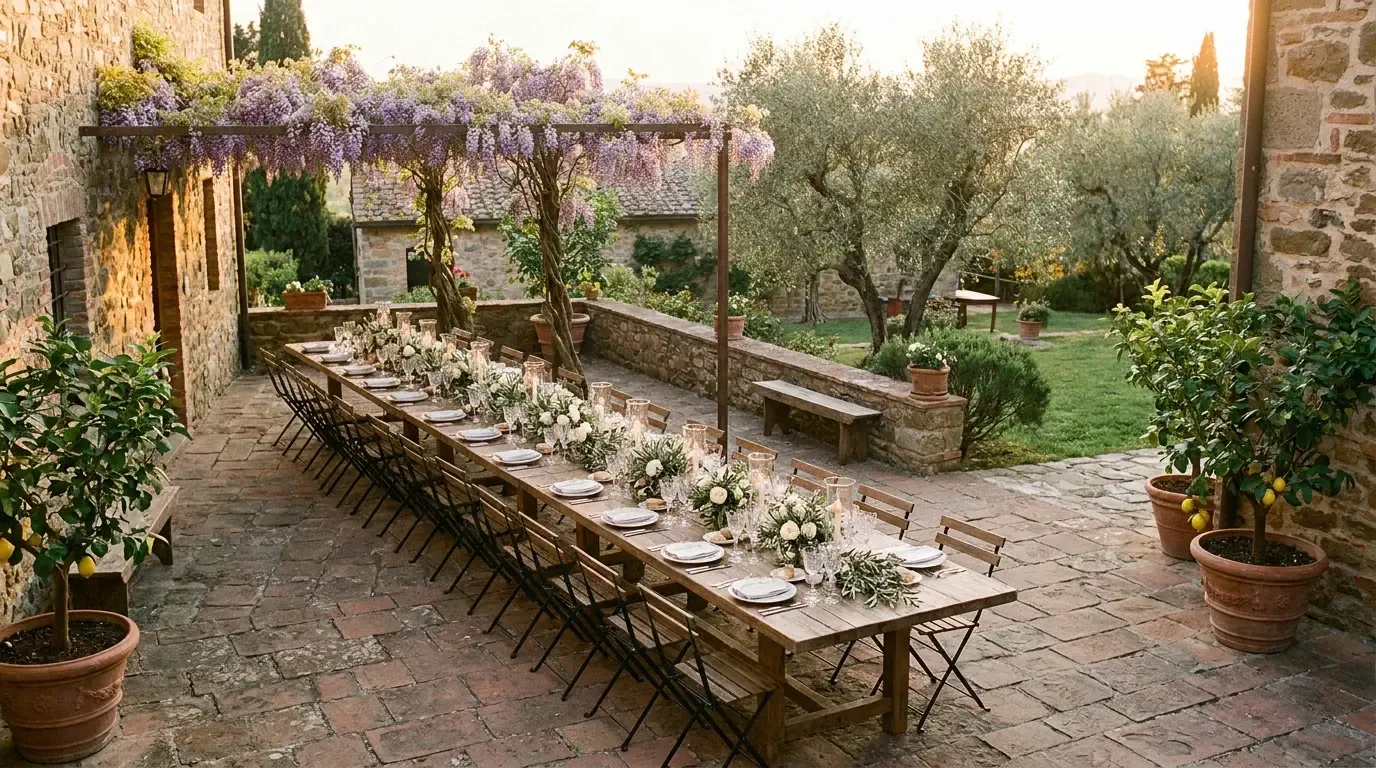
Historic garden terraces and vineyard estates provide natural ambiance without requiring extensive floral installations.
Step 4: Hire Key Vendors
A small wedding requires fewer vendors, but each vendor has higher visibility:
- Photographer: Book 4 to 6 hours. With fewer guests, the photographer captures candid portraits of everyone attending.
- Private Chef or Boutique Caterer: Replace chafing dishes with plated multi-course tasting menus or upscale family-style platters.
- Florist: Concentrate your floral budget on a ceremony arch and a lush table runner.
- Officiant: Choose an officiant who can deliver a personal, unhurried ceremony.
- Acoustic Musician: A solo guitarist, cellist, or jazz duo fits intimate rooms better than a loud live band.
Vendor Challenges & Negotiation
Finding vendors willing to work with smaller events can be a hurdle. Many venues and caterers enforce minimum headcounts that do not match a micro-wedding scale.
To keep vendor costs fair and transparent, consult our guide on how to negotiate with wedding vendors for tested communication scripts, minimum-spend workarounds, and contract adjustment strategies.
Step 5: Personalize Every Detail
Small weddings allow touches that are impossible at a 200-guest event:
- Handwritten Notes: Place an individual letter at each seat thanking the guest for their role in your lives.
- Curated Menus: Name signature cocktails after shared memories or incorporate family recipes.
- Unrushed Toasts: Open the microphone during dinner for spontaneous toasts from close friends.
- Meaningful Favors: Give small jars of local honey, olive oil, or bespoke treats.
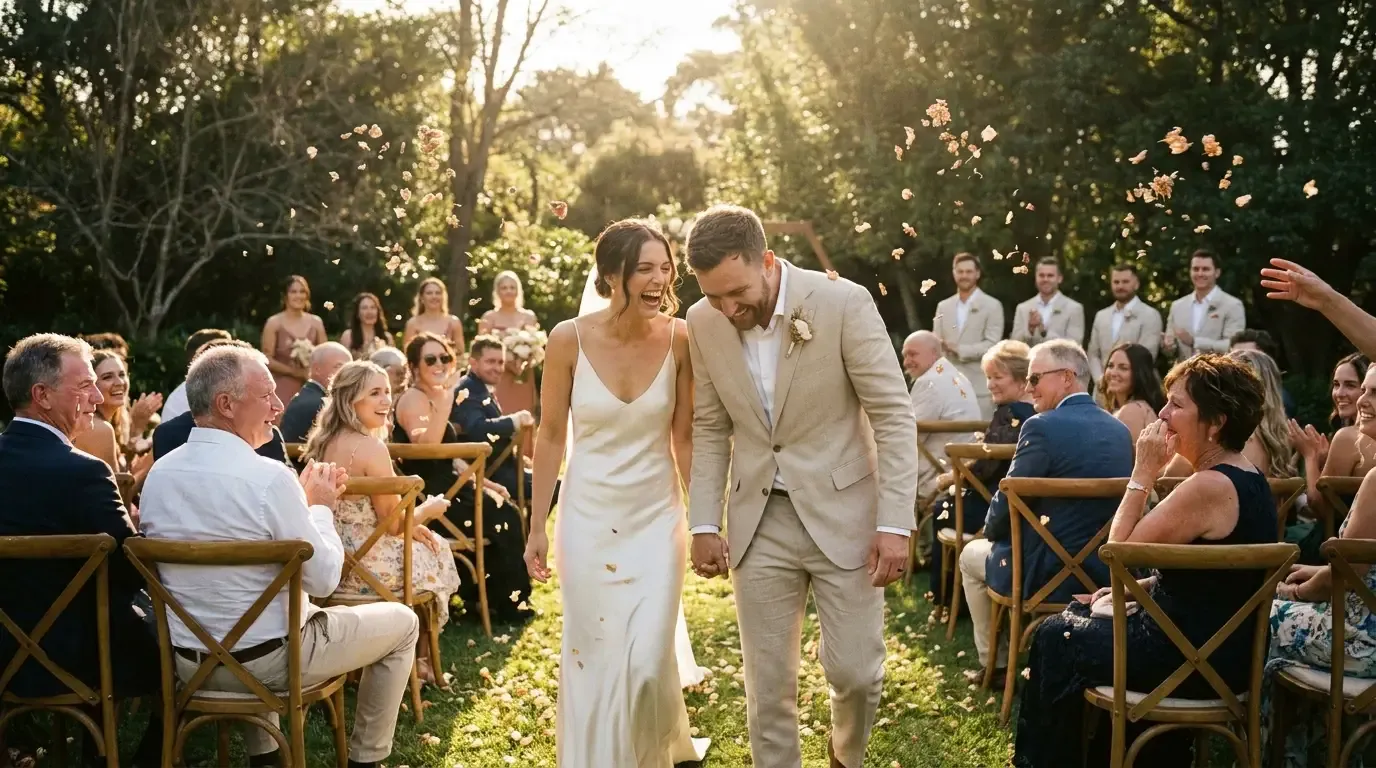
Intimate ceremony setups allow every guest to have a front-row view and share genuine emotional moments with the couple.
Addressing Emotional Considerations
Ditching large-scale traditions can provoke anxiety about family reactions or feeling judged. To stay grounded throughout planning:
- Communicate openly with extended relatives early about your choice for an intimate wedding.
- Focus your energy on creating meaningful, unhurried interactions with the guests in attendance.
- Remember that an intimate gathering creates deeper memories than greeting 200 acquaintances in a receiving line.
Focus on connection over production value.
Step 6: Keep Logistics Simple
With fewer moving parts, you can focus on enjoying your celebration:
Logistics Checklist
- Confirm vendor load-in and departure windows one week in advance.
- Assign a point person (a month-of coordinator or trusted friend) so you never answer vendor calls on your wedding morning.
- Prepare a relaxed timeline for the ceremony, cocktail hour, and dinner that allows for spontaneous conversation.
Step 7: Celebrate Virtually with Extended Loved Ones
For friends and relatives who live far away, an online stream lets them watch the ceremony live without travel costs.
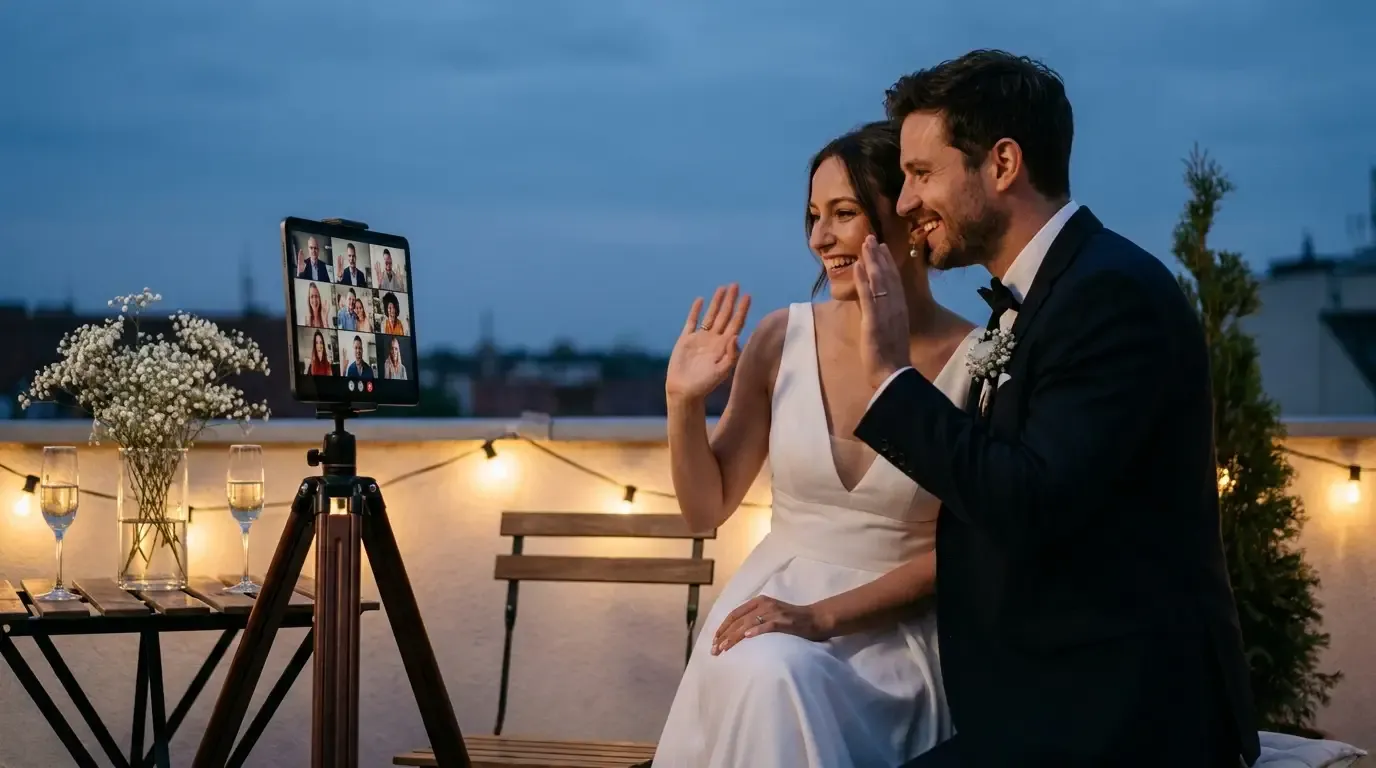
Setting up an interactive livestream allows distant relatives and friends to witness your ceremony in real time.
Planning Checklist Summary
A micro wedding trades crowd management for a relaxed, memorable gathering. Set your guest count first, secure an intimate venue that fits that number, and spend money where your guests will notice it most: fine food, drinks, and photography.
To scale up quality without expanding your headcount, read our guide on how to plan a luxury micro wedding to budget for high-end dining and bespoke details.
Frequently Asked Questions
How many guests are invited to a micro wedding?
A micro wedding includes between 20 and 50 guests, striking a balance between an intimate elopement and a full-scale traditional wedding.
Can I have a themed micro wedding?
Yes. A smaller guest count makes unique themes like vintage garden tea, candlelit wine cellars, or mountain retreats much easier and more affordable to execute.
Is a micro wedding always cheaper than a traditional wedding?
Total costs are lower because you buy fewer meals, rentals, and invitations. Many couples spend that difference on upgraded tasting menus or photography packages.
Do I need a wedding planner for a micro wedding?
A month-of coordinator manages catering, sound, and timeline transitions so your immediate family can enjoy the day without working as setup crew.
What are creative entertainment ideas for a micro wedding?
Consider live acoustic duos, interactive chef stations, lawn games, or a communal family-style dining setup with personalized toasts.
