Wedding Ceremony Ideas: 25 Personal Ways to Say I Do
Explore 25 wedding ceremony ideas for personal vows, meaningful rituals and guest participation, with practical tips to help you choose and plan each one.
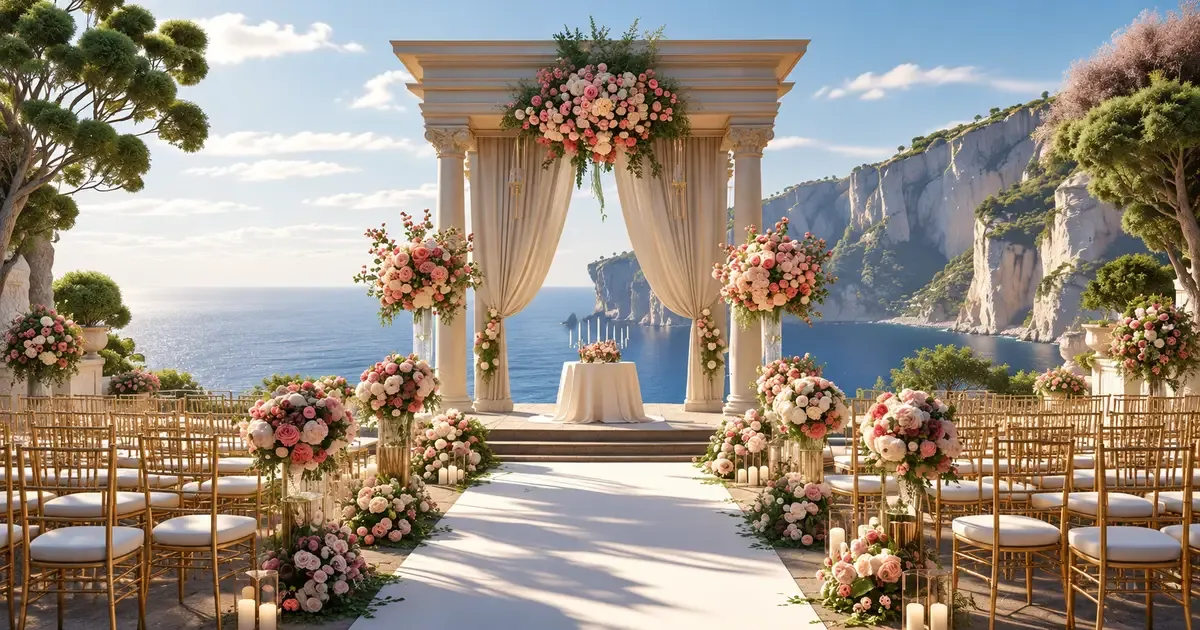
How can you personalize your wedding ceremony?
Personalize your wedding ceremony with vows in your own words, meaningful readings or music, a symbolic ritual and roles for loved ones. Choose details that reflect your relationship and suit the setting. Review the wording, materials and running order with your officiant so each addition fits smoothly into the ceremony.
These 25 ideas cover vows, ceremony settings, symbolic rituals and guest participation. Each includes a way to put it into practice and a detail to check before the day.
Key Takeaways
- Write personal vows around specific memories and realistic promises, then agree on length and tone.
- Choose a unity ritual for its meaning and plan its materials, setup and cleanup.
- Test ceremony seating for sightlines, accessible routes and microphone coverage.
- Give readers, ring keepers and other participants clear roles and rehearsal instructions.
- Review your ceremony plan with the officiant and venue before buying supplies.
Find the right ceremony ideas
- Compare ceremony ideas for your setting
- Personal vows and words: ideas 1–7
- Setting and atmosphere: ideas 8–14
- Meaningful rituals: ideas 15–21
- Guest participation: ideas 22–25
- How to choose your ceremony ideas
Which wedding ceremony ideas suit your setting?
Use this comparison to narrow your choices. The preparation levels below are planning estimates, rather than fixed time or cost requirements.
| Idea | Preparation | Materials or people | Works well when… |
|---|---|---|---|
| Personal vows | Drafting and rehearsal | Vow cards; officiant input | You want your own words at the center |
| Shared promise | Light | A short script | You want to speak together |
| Semicircle seating | Venue coordination | Chairs; a layout plan | The space allows wider seating and clear routes |
| Unplugged ceremony | Light | A sign or announcement | You want guests to put away phones |
| Unity candle | Setup and rehearsal | Candles; holders; lighter | The venue allows flames and the spot is sheltered |
| Sand ceremony | Setup and rehearsal | Sand; pouring vessels; keepsake container | You prefer a ritual without flames |
| Ring warming | Guest coordination | Secure ring pouch; ring keeper | There is a manageable route and enough time |
| Guest reading | Selection and rehearsal | Reader; printed text; microphone | A loved one is comfortable speaking |
Personal vows and words
1. Write your own vows
Build your vows around one memory, one quality you admire and a few promises you can keep. Instead of promising a perfect life, name how you will show up during ordinary days: listening after work, making time together or supporting a change of direction.
Agree on a similar length and tone so neither partner is surprised by a much longer or more humorous speech. Read the draft aloud, mark natural pauses and bring a printed copy. Our guide to writing personal wedding vows can help you shape the draft.
2. Add a shared promise
Say one sentence together after your individual vows. For example: “We promise to listen with patience, celebrate each other’s joys and make room for each other’s dreams.” This is an illustrative script you can adapt.
Ask the officiant to cue the line, and rehearse the pace together. Keep the wording on both vow cards so you do not have to memorize it.
3. Mix humor with heart
Use a gentle joke that your partner enjoys and your guests can understand. An affectionate reference to your rival sports teams or competing coffee orders can work better than a private joke that needs a long explanation.
Follow the joke with a sincere promise. Leave out embarrassing stories, complaints or anything your partner would rather keep private.
4. Include a meaningful quotation
Choose a short passage from a book, poem or other work you both value. Explain why it matters to you instead of letting the quotation replace your own promises.
Verify the wording and credit the writer in your script or program. Give the officiant the excerpt in advance so it fits smoothly into the ceremony.
5. Honor your language or family traditions
Include a phrase in a language meaningful to your family, or invite a loved one to share a blessing they know well. Explain its meaning for guests who may be unfamiliar with it.
Discuss pronunciation, wording and context with someone who understands the tradition. If it belongs to a religious ceremony, check how it fits with the officiant’s usual service before adding it.
6. Speak directly to each other
Face your partner while saying your vows, with the officiant positioned to guide you. A glance at your vow card is fine; the aim is to communicate comfortably, not perform from memory.
Practice where you will stand and how you will hold the microphone. Ask the photographer and officiant to coordinate positions so you can see each other without blocking the main camera view.
7. Use call-and-response vows
If reading a long passage feels uncomfortable, ask the officiant to lead short phrases that you repeat. Keep each phrase short enough to remember after hearing it once.
This format supports the couple; it does not automatically involve guests. For a separate audience response, use the group vow of support in idea 23. Review any proposed vow changes with your officiant.
Setting and atmosphere
8. Try semicircle seating or a ceremony in the round
A semicircle can bring the outer seats closer to the couple. A full circle places guests around you, but some will see your backs during parts of the ceremony. Choose the layout around the space and your priorities.
Check the view from seated positions, including behind taller guests and floral arrangements. Leave accessible routes and enough space for the processional, photographers and venue staff. Confirm microphone coverage before moving chairs.
9. Use décor that tells your story
Choose one or two objects with a clear connection to your relationship: a framed photograph, a meaningful textile or books you both love. Add a brief program note if their significance would otherwise be unclear.
Keep objects away from walking routes and check that stands or tables are stable. A single well-placed detail is easier to notice than several competing displays.
10. Plan live music for key moments
A solo musician or small ensemble can personalize the entrance, signing or exit. Select the song and the version you want, then confirm that the musicians can perform it.
Share entrance cues and agree on what happens if the walk takes longer than the music. For an outdoor setting, discuss power, amplification, shelter and the indoor backup location with the venue and performers.
Use our wedding ceremony music cue sheet to record each entrance song, the exact version, and who gives the start and stop signals.
11. Change the aisle entrance
Enter together, walk with both parents or choose another person who has supported you. Decide the order in advance and rehearse walking at a comfortable pace.
If you want a pet involved, first confirm venue permission and arrange a dedicated handler. Give the handler a plan for taking the pet somewhere quiet after the entrance; participation should suit the animal’s temperament.
12. Use seasonal elements
Ask your florist which flowers and foliage are available locally around your date. Use those options to support your palette rather than choosing a season-based theme that does not suit your location.
Check how arrangements will cope with heat, wind or rain, and decide which pieces can move indoors. If the date is still flexible, our wedding date planning guide covers other factors to consider.
13. Choose lighting for the ceremony space
For a late ceremony, check that guests can see the couple, read programs and move safely along paths. Arrange a venue visit at a similar time of day if possible.
Use battery lanterns where flames are unsuitable. Confirm candle rules and cable placement with the venue, and ask the photographer whether the proposed lighting is sufficient for photographs.
14. Hold an unplugged ceremony
An unplugged wedding ceremony asks guests to put away phones and cameras during the service. A short officiant announcement is often clearer than relying on a sign alone: “Please put your phones away and enjoy the ceremony with us.”
Tell guests when they can take photos again. Allow for anyone who needs a device for communication or accessibility, and make sure any agreed livestream has a designated operator.
Meaningful rituals
15. Include handfasting
In a handfasting ritual, a cord or ribbon is placed around the couple’s joined hands as a symbol of commitment. Choose it because the symbolism matters to you, and have the officiant explain what it means in your ceremony.
Rehearse the hand position, how the cord will sit and who removes it before the ring exchange. Avoid pulling it tight. Our handfasting ceremony guide offers more detail for planning the sequence.
16. Choose a unity candle or sand ceremony
For a unity candle, each partner uses a separate flame to light one shared candle. For a sand ceremony, each pours sand into a keepsake container. Both give you a visible way to represent your commitment.
Choose between them based on the setting. Candles need venue approval and shelter from wind; sand needs containers that pour easily and a stable table. Rehearse the setup and assign someone to pack the keepsake afterward.
17. Plant a tree together
Planting a small tree can symbolize the care you intend to give your marriage. A potted version makes it possible to complete the ritual without digging at the venue.
Ask a local nursery about a suitable plant and prepare the pot before the ceremony. Confirm venue permission, protect the table or floor, and decide who transports and cares for the tree afterward. Do not bring soil across borders without checking the applicable restrictions.
18. What is a ring warming ceremony?
A ring warming ceremony is a wedding ritual in which guests briefly hold the couple’s rings and offer a silent wish before the ring exchange. Keep the rings in a secure pouch and assign a ring keeper to supervise the route and return them to the designated holder on time.
Test the timing against your guest count. For a larger group, limit the passing to a few loved ones or arrange a supervised station before the ceremony. Explain the process clearly and let guests pass the pouch along without participating.
19. Seal a wine box and love letters
Place letters to each other in a box with a bottle of wine, then agree on an anniversary when you will open it. The letters can describe what you appreciate today and what you hope to build together.
Check that the box fits everything and that you can close it easily during the ceremony. Choose a drink suited to your storage plans, or use tea, a keepsake or letters alone if alcohol is not right for you.
20. Collect blessing stones
Give guests smooth stones to hold while making a silent wish for your marriage. After the ceremony, collect the stones in a bowl as a keepsake.
Explain the symbolism in the program or through the officiant. If guests will write messages, provide suitable pens and time before the ceremony so writing does not interrupt the service. Purchase the stones rather than taking them from protected sites, and assign someone to collect them.
21. Include a family heirloom
Carry a handkerchief, wear jewelry or place a meaningful family object near the ceremony space. A short explanation can acknowledge the person or story it represents.
Get permission from its owner and decide who looks after it before and after the ceremony. For a fragile or valuable item, consider displaying a photograph or replica instead of carrying the original outdoors.
Guest participation
22. Invite a guest reading
Ask a friend or family member to read a poem, passage or short personal reflection. Offer them the chance to decline, and agree on the text before adding it to the running order.
Give them a large-print copy, a clear cue and a chance to test the microphone. Tell them where to stand and who will take over if they cannot attend. Coordinate religious readings with the officiant.
23. Add a group vow of support
Invite guests to respond to one short question. For example: “Will you encourage this couple with kindness and support them as they build their life together?” Guests can answer, “We will.”
Have the officiant explain the response before asking the question. Participation should feel welcoming and optional; provide the wording in the program if helpful.
24. Gather wishes before the ceremony
Place cards at the entrance and invite guests to write a wish or piece of advice. This works best during arrival time, rather than while vows are being spoken.
Provide pens, a stable writing surface and a collection box. Choose a clear prompt, such as “What small habit helps a partnership thrive?” A trusted reader can share a few selected messages later, with the writers’ permission.
25. Plan a guest-lined exit
Invite guests nearest the aisle to stand or cheer as you leave. If you prefer a tunnel or different exit route, coordinate it with the venue and photographer beforehand.
Keep the route wide and clear, and do not require guests to stand or move. Ask the officiant or coordinator to give the cue so the exit feels organized. Check venue rules before adding confetti or other throwables.
How do you choose wedding ceremony ideas?
Choose wedding ceremony ideas by matching their meaning to your relationship and their setup to your venue. Then review the complete plan with your officiant.
- Agree on the memories, values and people you want to include.
- Choose personal words, one optional ritual and roles for loved ones.
- Review ceremony wording and requirements with your officiant.
- Confirm seating, accessible routes and weather plans with the venue.
- Assign participants, cues, materials and backup arrangements.
- Rehearse entrances, vows, microphones, ritual transitions and the exit.
Keep the ideas that mean something to you and fit the plan. For help coordinating the rest of the day, see our guide to planning a wedding with less stress.
Frequently Asked Questions
How can we write personalized wedding vows that feel authentic?
Start with one specific relationship memory, explain what you appreciate about your partner, and make promises you can keep in everyday life. Agree on a similar length and tone, then rehearse aloud.
What are meaningful unity rituals for a wedding ceremony?
Meaningful unity rituals include handfasting, a unity candle or sand ceremony, planting a potted tree, ring warming and sealing love letters in a keepsake box. Choose a ritual whose meaning you both value. Confirm its materials, venue permissions and place in the running order with your officiant.
How can you involve guests in your wedding ceremony?
Involve wedding guests through readings, a shared vow of support, ring warming or written wishes collected before the ceremony. Give each participant clear instructions and a cue, and make participation optional. For larger guest lists, choose activities that fit the arrival period or can involve a smaller group.
What seating layouts make a ceremony feel more intimate?
A semicircle or ceremony in the round can bring guests closer, but neither guarantees a clear view. Check sightlines from seated positions, leave accessible routes, and test the layout with your venue before committing.
How do we choose which wedding ceremony ideas to include?
Choose the ideas that reflect your relationship and fit your ceremony setting. Start with personal vows, one optional ritual and a way to involve loved ones, then review the running order with your officiant.

Bridal by Bentley
Wedding Editorial
Bridal by Bentley publishes wedding inspiration and practical planning guides to help couples compare options and prepare for their celebrations.